The Hobbit hooked Dustin Sheldon from its first line—
“In a hole in the ground, there lived a hobbit.” The simple introduction to Bilbo, the story’s protagonist, could have been anyone’s introduction, including Sheldon’s.
“In a house on a hill, there lived a human named Dustin,” Sheldon says over the phone in late September. The humble beginnings of Bilbo, more homebody than traditional hero, suggested adventure could be in the cards for anybody. Even (or maybe especially) you, sitting in an armchair reading about it rather than experiencing it in your own life.
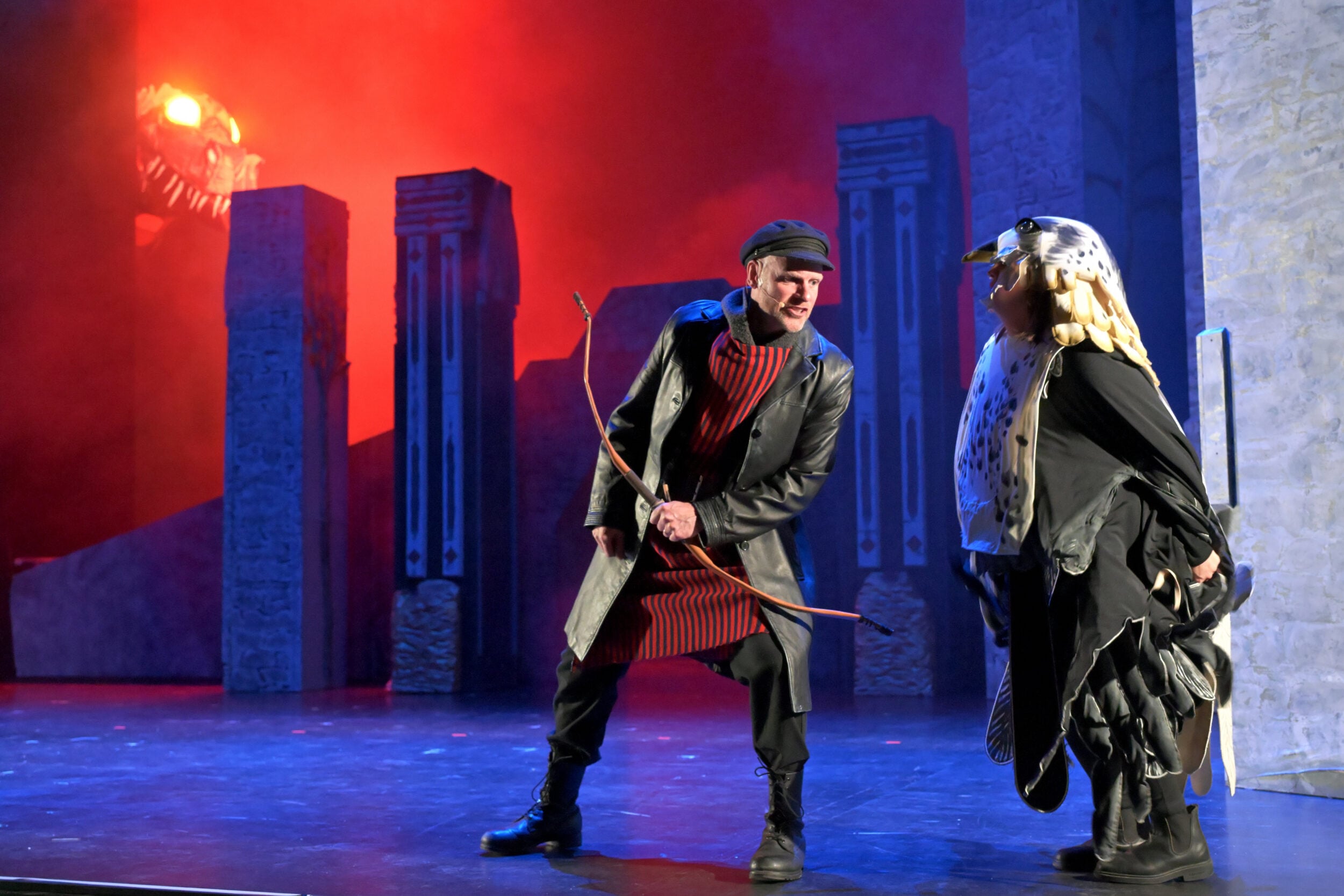
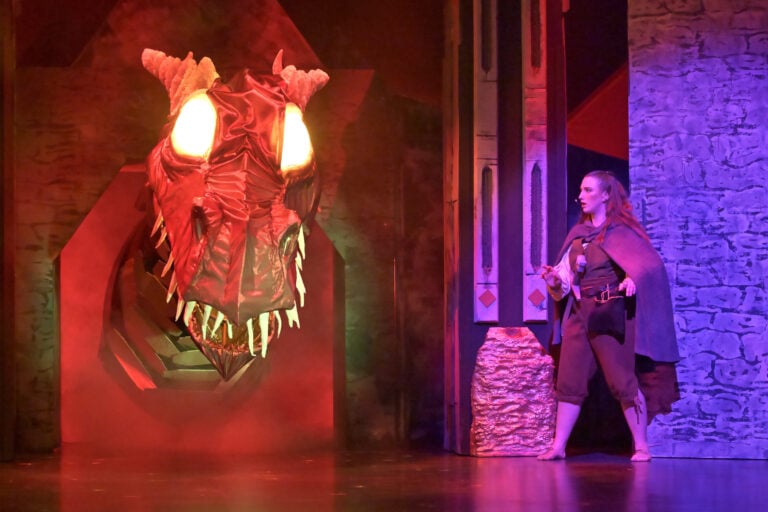
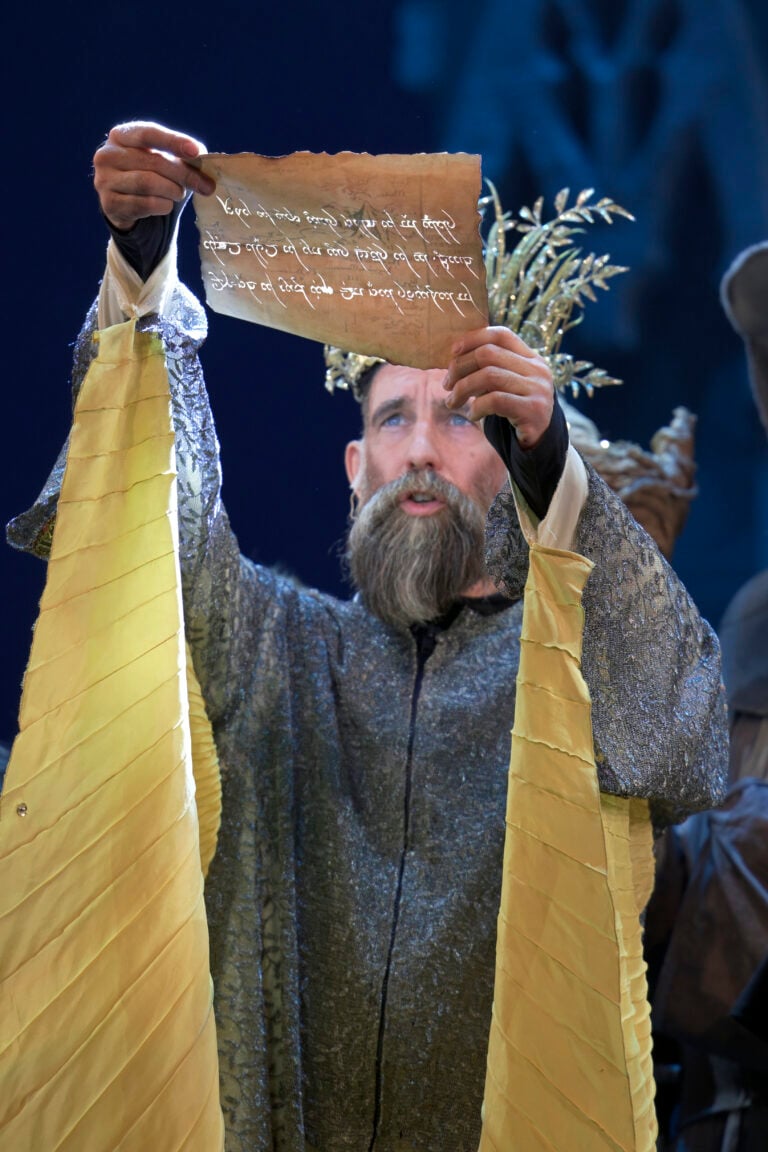
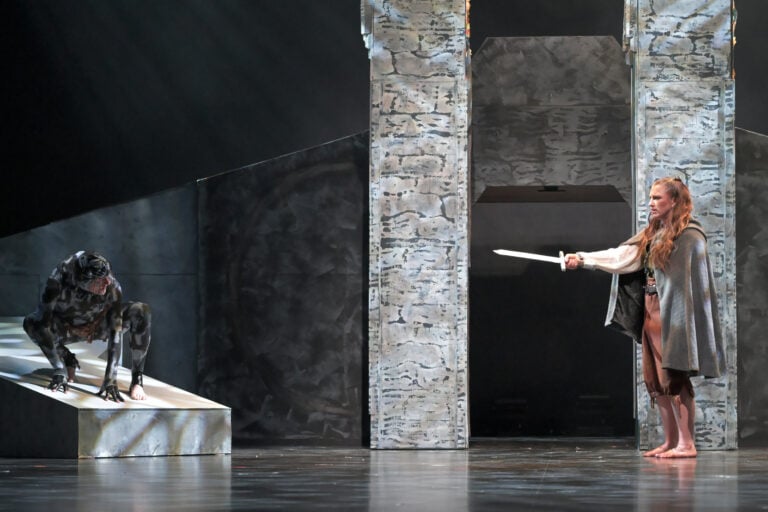
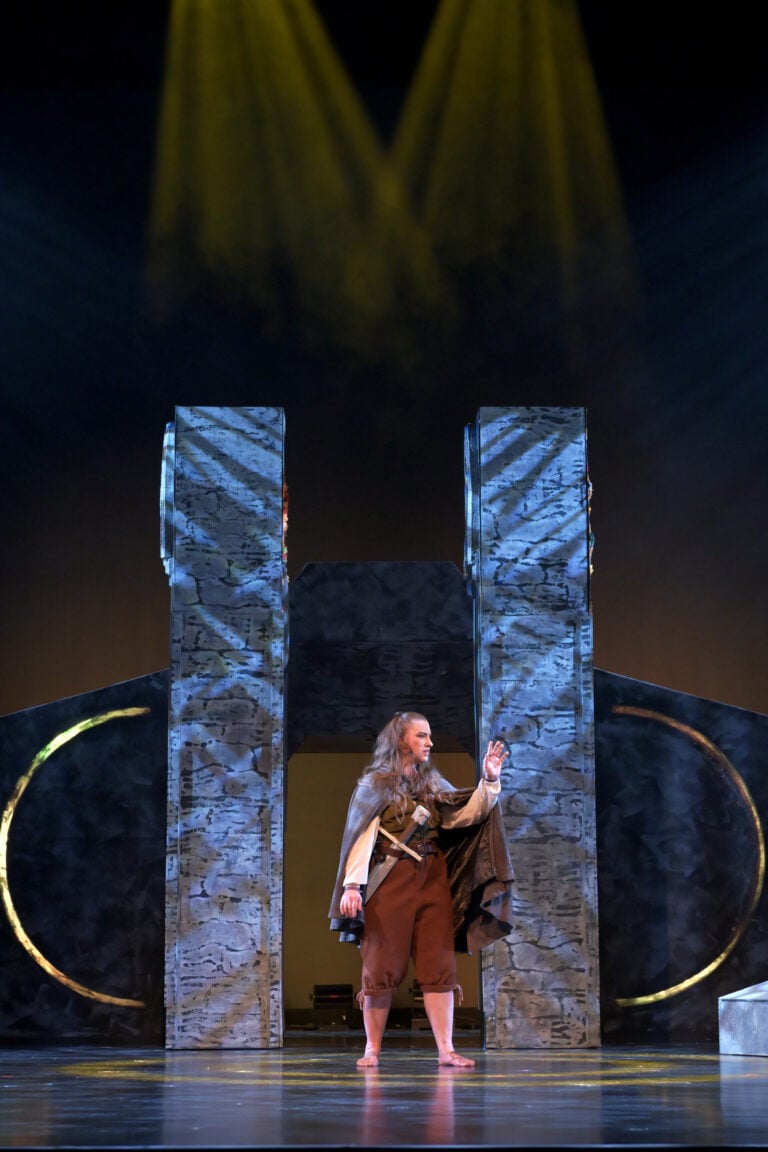
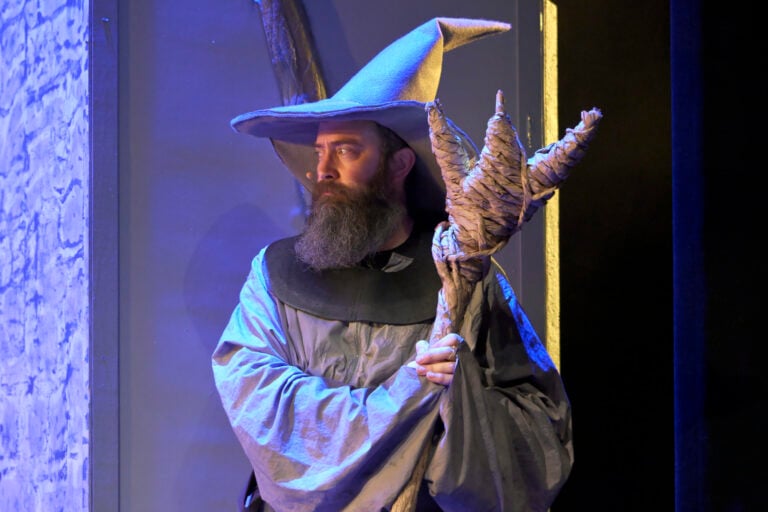
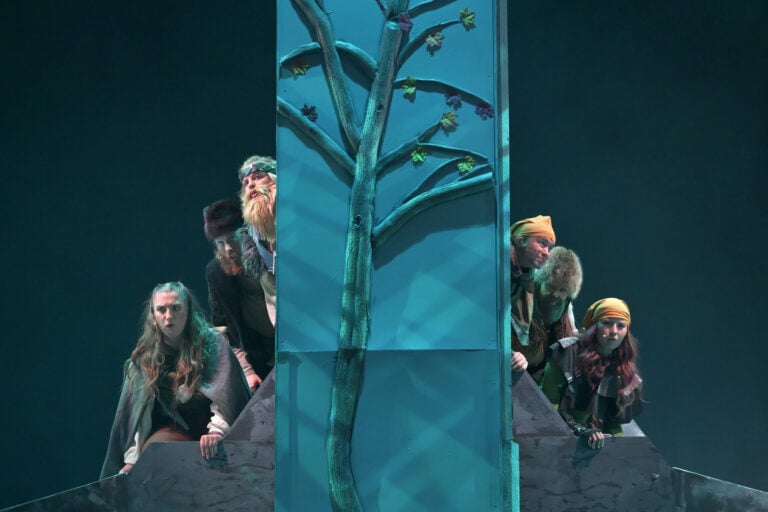
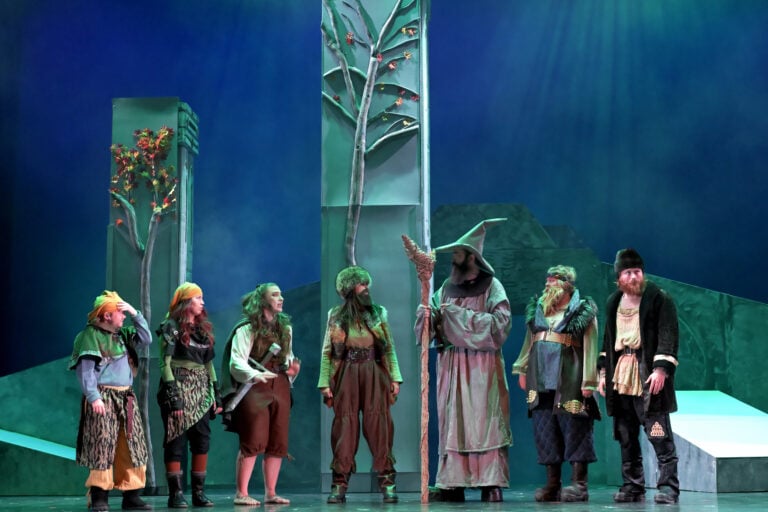
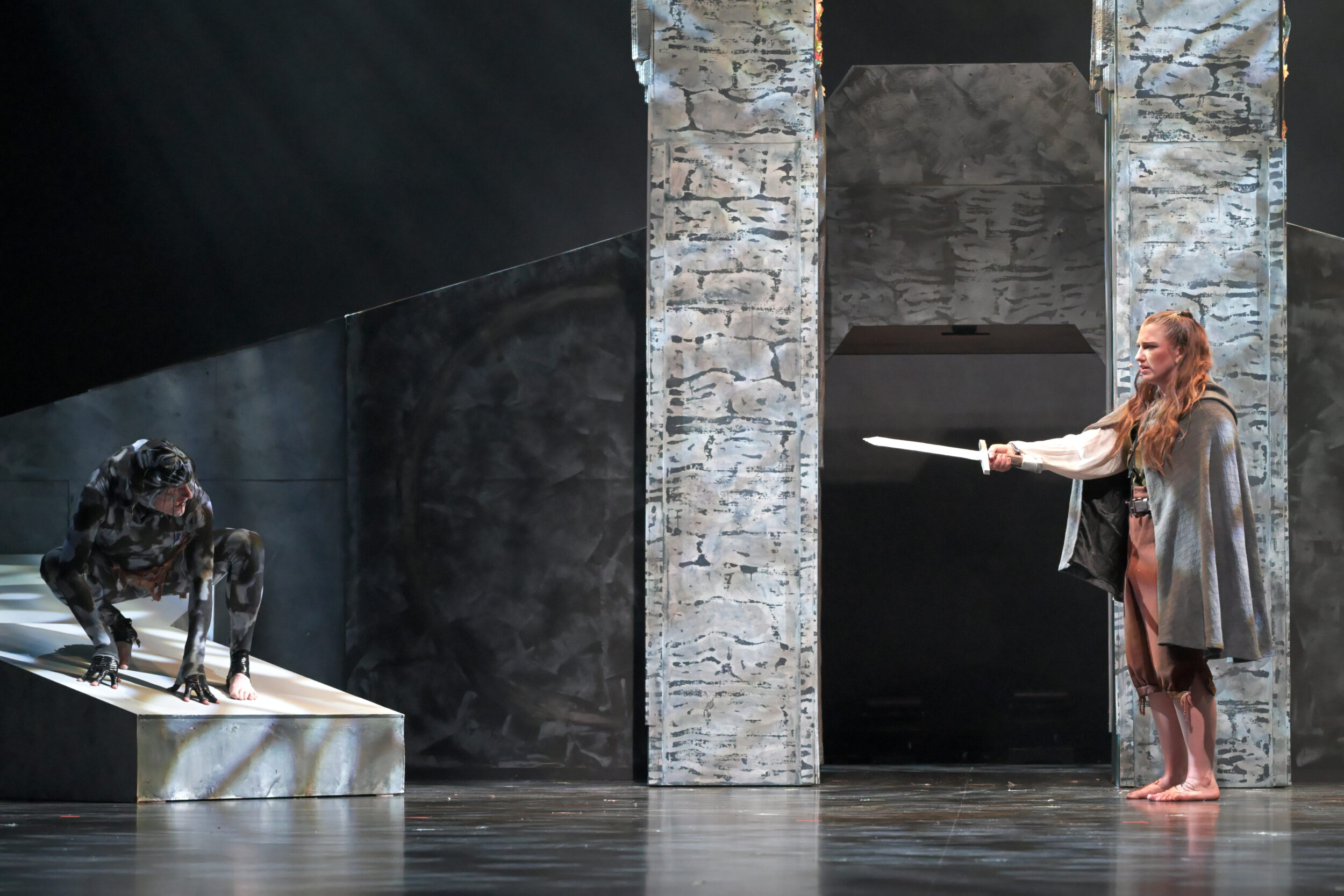
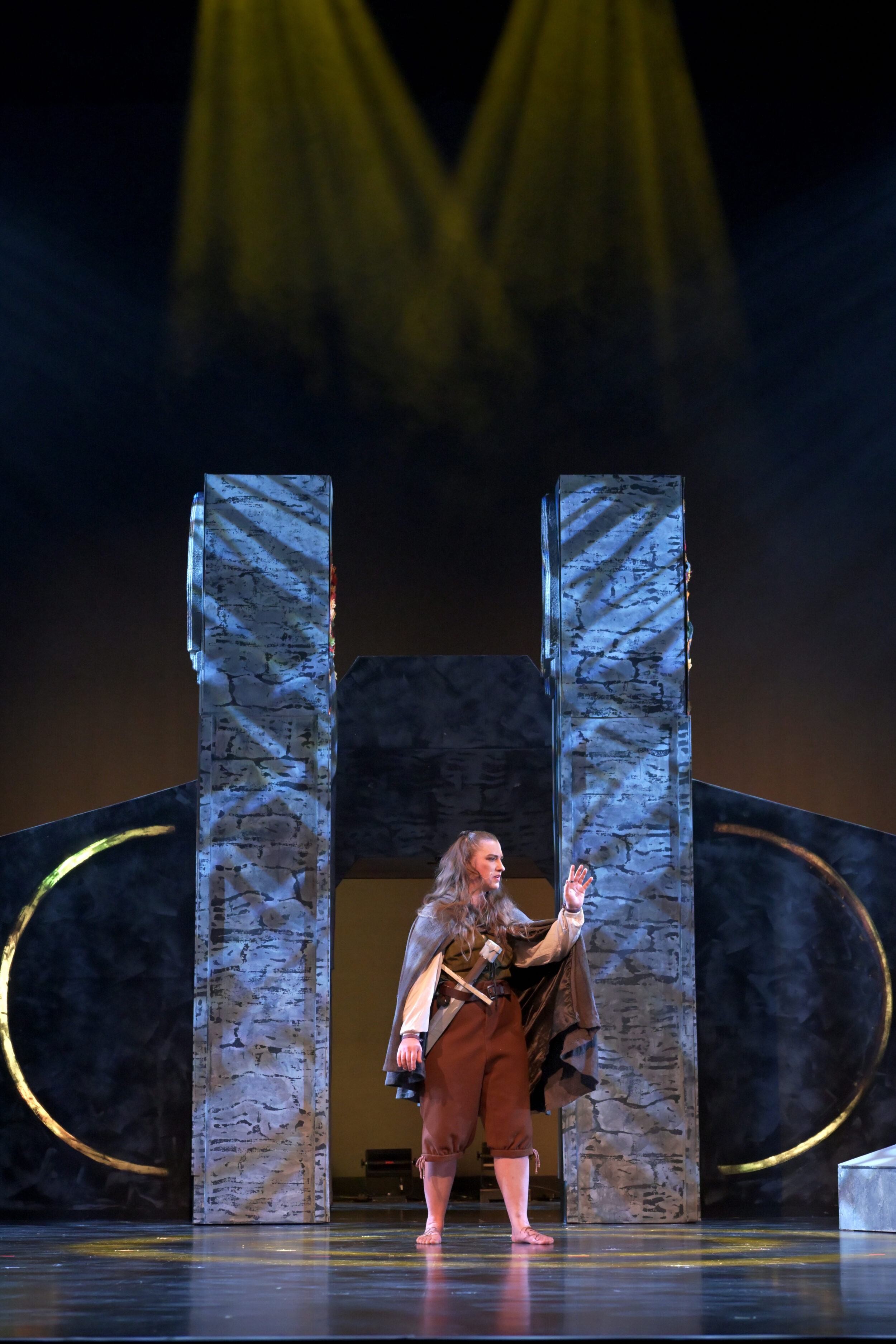
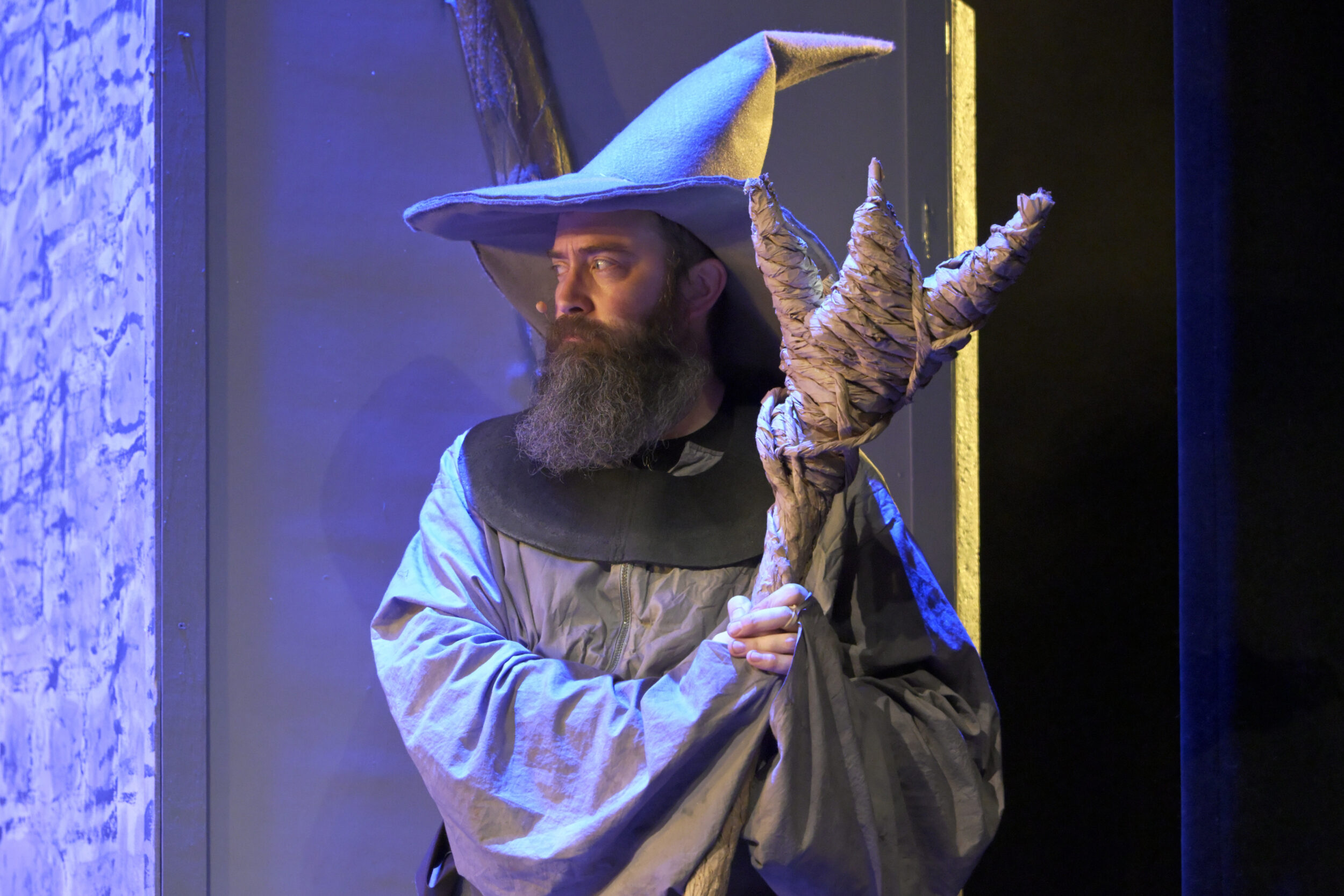
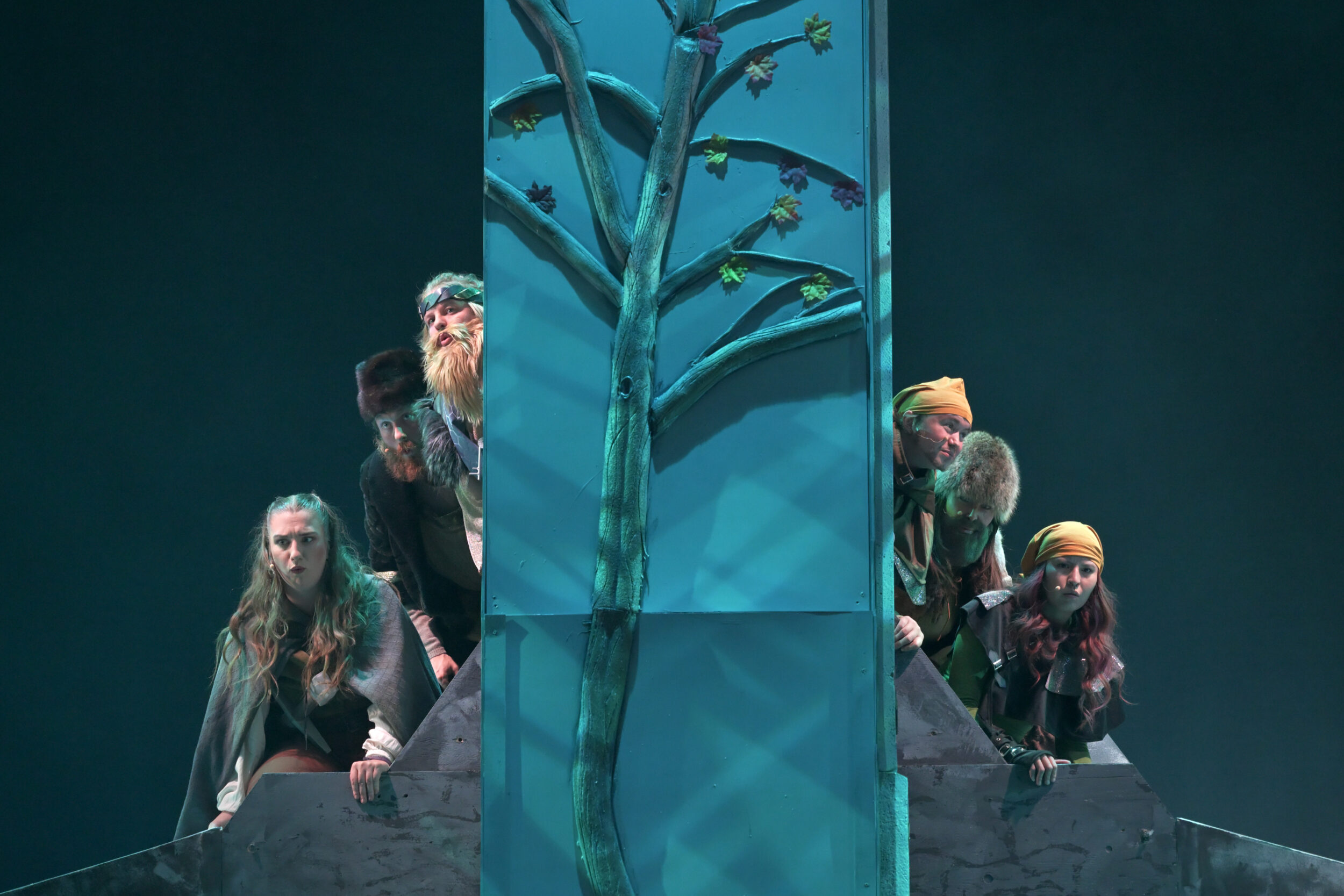
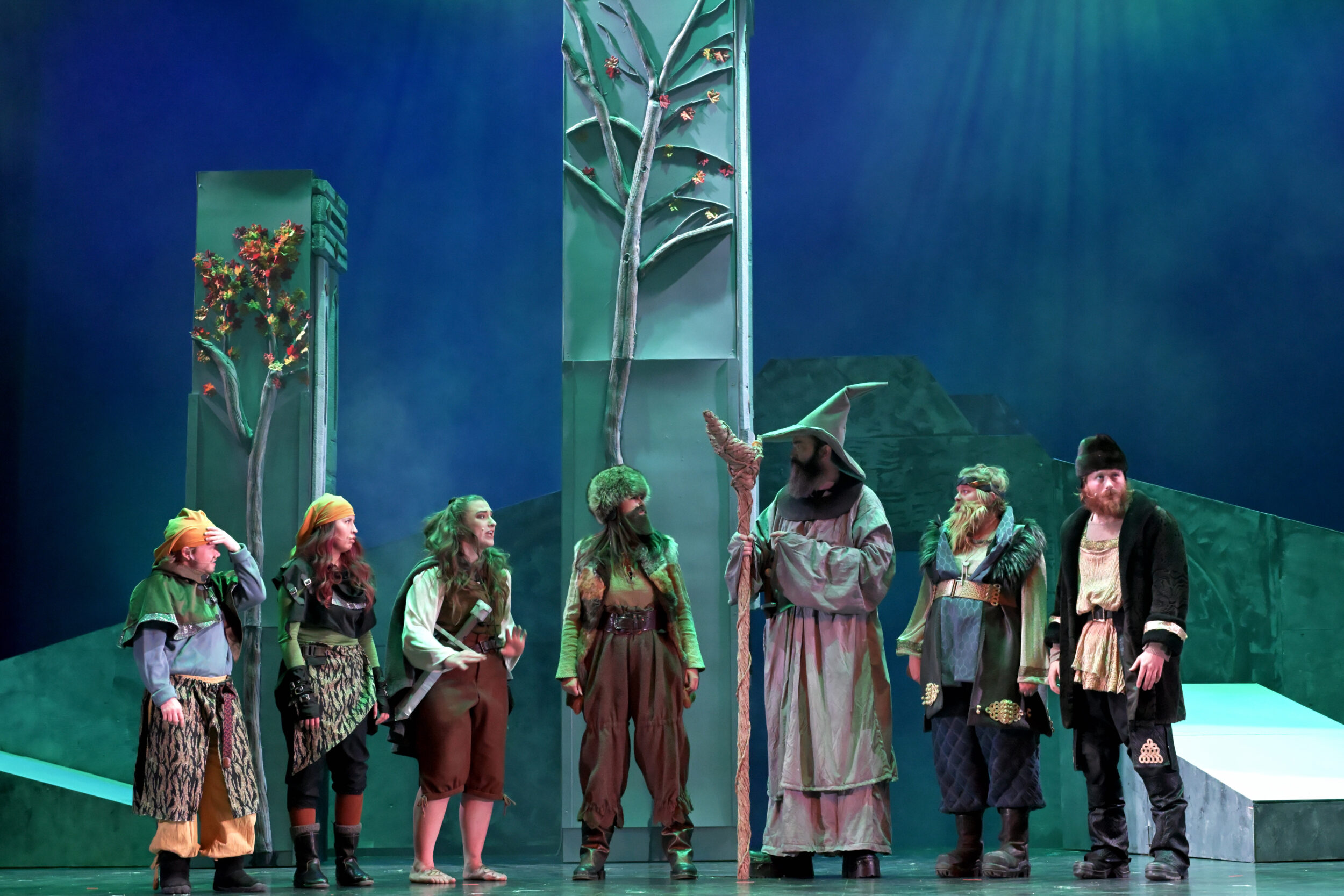
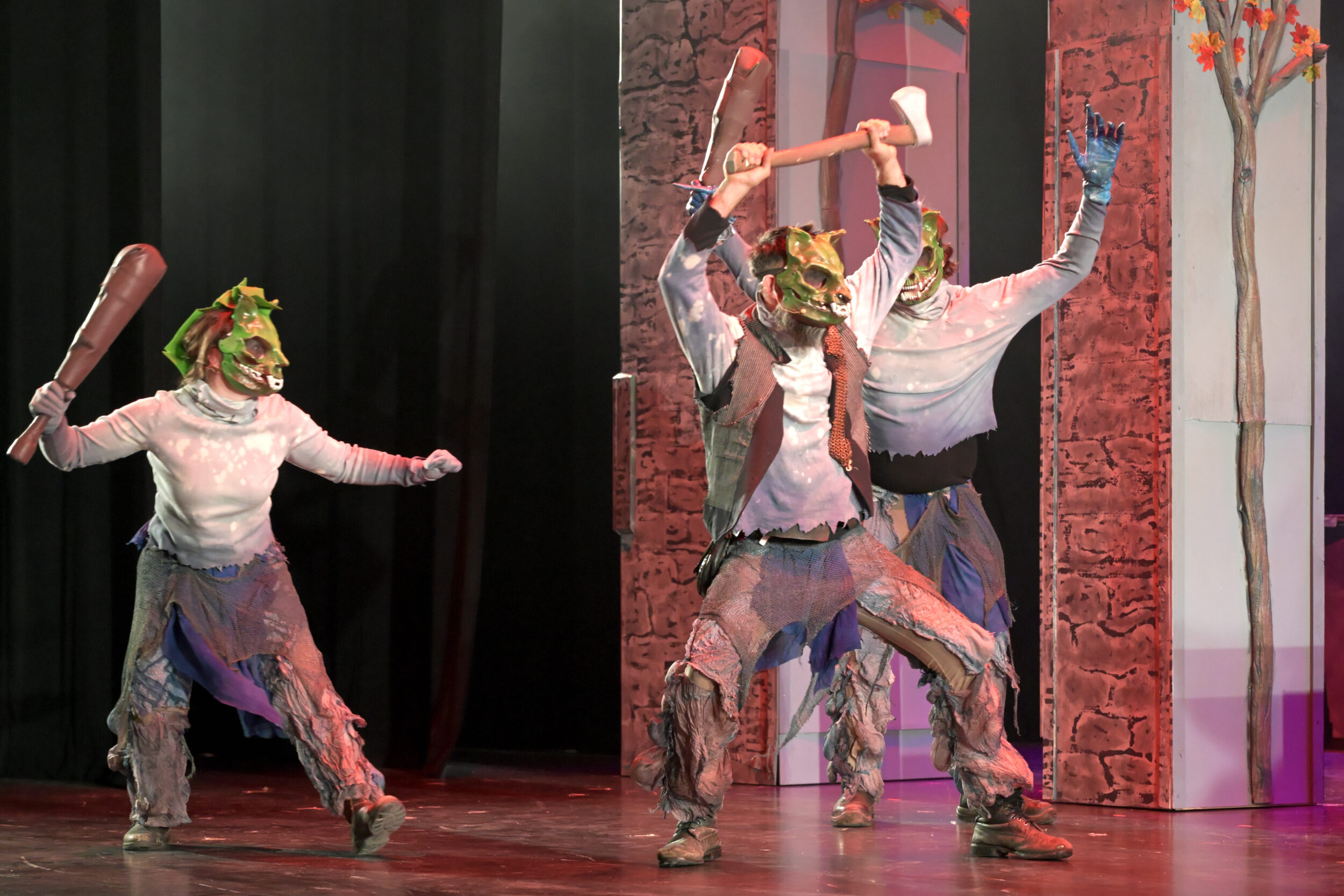
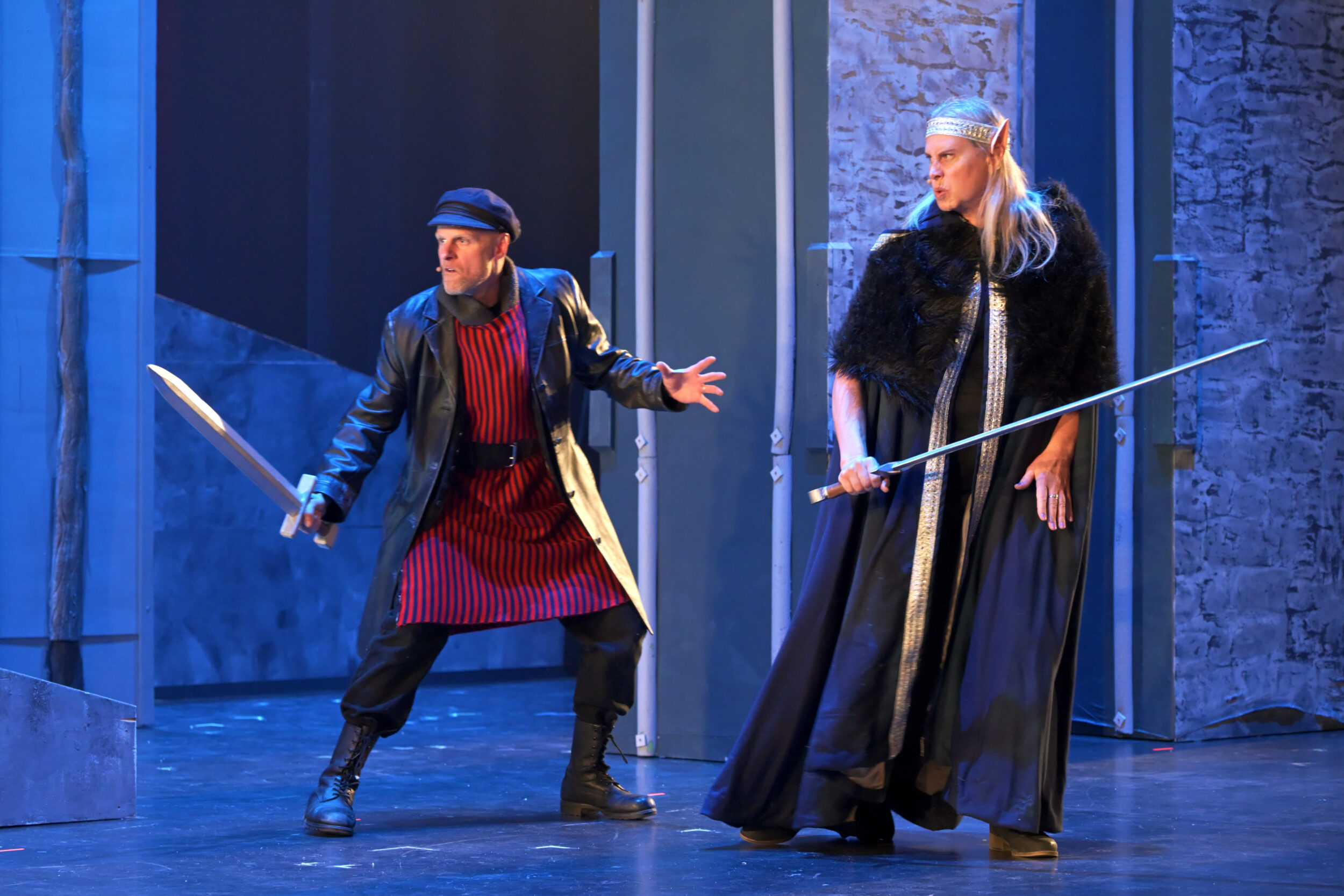
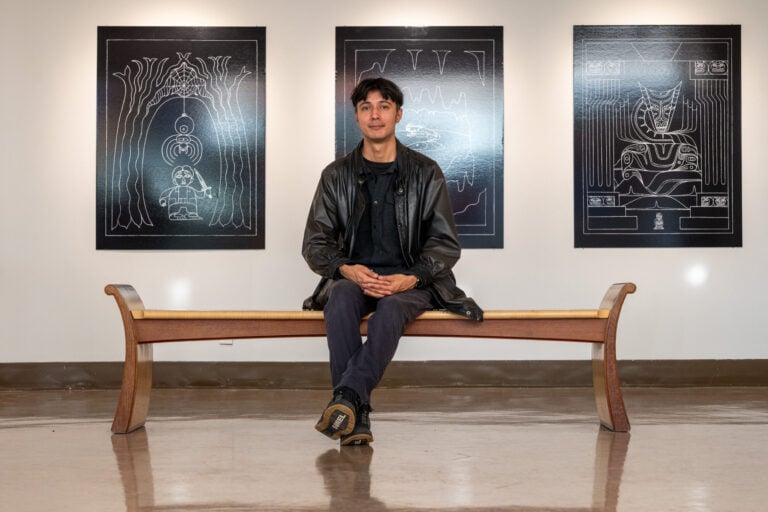
The book spawned J.R.R. Tolkein’s trilogy, Lord of the Rings, as well as Simarillion, and innumerable adaptations for film, television and theatre. One of those, Kim Selody’s stage adaptation, is coming to the Yukon Arts Centre in October. Sheldon’s visual art exhibition, Form-lines and Back Again: A Hobbit’s Art Show, is a companion piece to the play.
Mary Bradshaw, director of visual arts, contacted Sheldon in March of 2026. At the time, he was painting a Magic: The Gathering-inspired mural on the exterior walls of Titan Gaming, so he was already in the headspace of fantasy work.
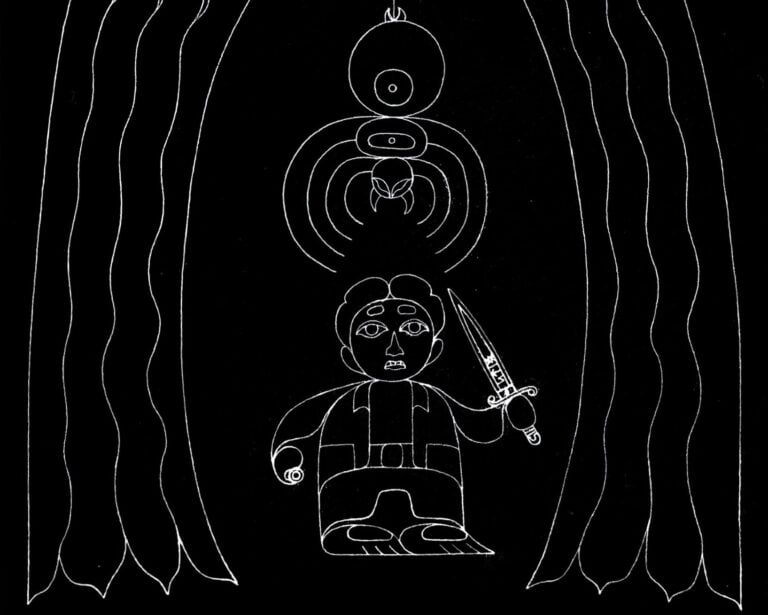
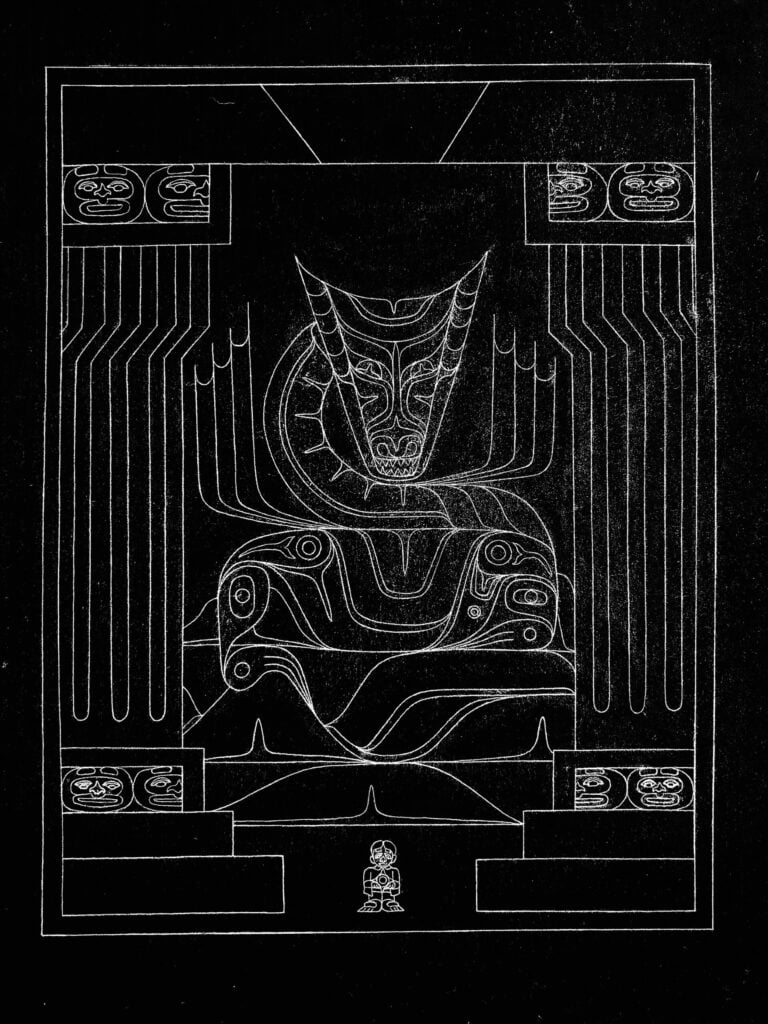
When she asked if he was interested in creating an exhibition to coincide with YAC’s theatre production, he initially imagined indigenizing the book’s characters in a detailed, fantasy style. Ultimately though, he found himself turning to form line to convey Mirkwood, Bag End, Smaug and a map of Middle Earth.
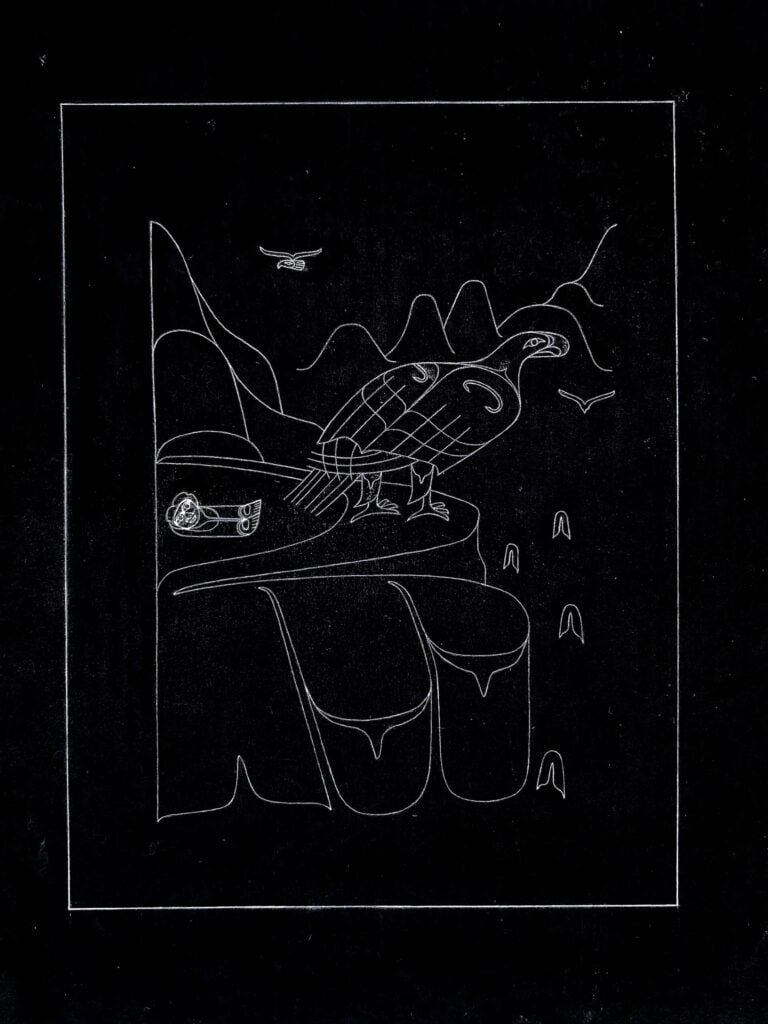
The finished pieces, done in white form line on black, look ancient and runic, like oracle or tarot cards. Sometimes, Sheldon says, when he’s walking around in downtown Whitehorse, he starts seeing everything in form line. It just seemed to be the right treatment for the subject.
To produce the work, Sheldon dove back into the book he’d read as a kid, but he also researched various artists who have illustrated Lord of the Rings over the years, including John Howe and the Brothers Hildebrandt. He watched interviews with actor Benedict Cummerbatch, who spoke about the way he moved to try and embody Smaug, the dragon, during filming. Sheldon also dug into the lesser-known lore behind Tolkein’s characters and looked at various covers for different editions. He adhered strictly to the written word, at one point going back and re-doing an entire piece because the book described two trees in a certain scene as leaning into each other, while he had illustrated them standing parallel. You can’t make those kinds of mistakes with this book, Sheldon says. At the show’s opening, someone even approached him to let him know the images weren’t arranged chronologically. The way they hung in the gallery didn’t follow the book’s action.
So it’s tough enough to interpret something as beloved and widely represented as Tolkein’s work, but Sheldon had the added challenge of weaving Middle Earth together with his own heritage. He experimented with a version of Gollum in Tlingit weaving, eagles perched on ovoid cliffs, sketches of Tlingit armour and weapons, before he landed on the work ultimately included in the exhibition.
“It was dicey trying to walk that fine line,” he says. “But with this show, I think I’ve really done it.”